
Why just saying “Catastrophic Injuries” Doesn’t Quite Cover It
Here’s what doesn’t translate well on paper: the two-hour morning routine that used to take fifteen minutes. The grandchild who now has to help his grandparent get dressed. The accountant who can’t hold a pen long enough to sign documents anymore.
Medical records will tell you about the herniated discs and the nerve damage. Expert testimony will explain the prognosis. But neither one shows what it actually means to live with those injuries day after day.
That’s what day-in-the-life videos do.
The Thing Nobody Tells You About Settlement Negotiations
You can have pristine medical records, unassailable expert opinions, and damages calculated down to the last dollar. You can present all of it beautifully.
And the defense can still sit there, unmoved, treating your client’s life-altering injury like a line item on a spreadsheet.
Because here’s the truth: People understand stories better than they understand facts.
A chart showing range-of-motion loss? That’s a fact. Watching someone struggle to put on their own socks? That’s a story. And stories stick in ways that facts sometimes can’t.
What These Videos Actually Are (And Aren’t)
We’re not talking about melodramatic made-for-TV footage with sad piano music and slow-motion B-roll.
Day-in-the-life and settlement videos are documentary-style visual records that show:
- What a normal day actually looks like now
- The accommodations, adaptations, and assistance required
- The gap between “before” and “after”
- The stuff that doesn’t show up in depositions
They’re not:
- Theatrical productions
- Replacements for medical testimony
- Emotional manipulation attempts
- One-size-fits-all solutions
Done right, they’re just… real. Unvarnished reality, professionally captured, fly-on-the-wall realism.
Why This Actually Moves Negotiations (And Sometimes Cases)
Defense Counsel Sees Your Client as a Person, Not a Claim Number
We know defense attorneys are doing their job. But when you’re reviewing the 47th soft-tissue case this month, it’s easy for every plaintiff to start sounding the same.
A well-done video cuts through that. Suddenly they’re not negotiating against “Plaintiff” anymore but they’re seeing an actual human being whose life got upended.
Mediators Get It Faster
Mediators have limited time and energy. The faster they grasp the full scope of impact, the more effectively they can push realistic settlement discussions.
Video gives them that understanding in minutes instead of hours.
Insurance Adjusters Have to Justify Their Numbers
Adjusters work within guidelines and ranges. But those ranges have flexibility. When they’re presenting your case internally, having powerful visual documentation gives them ammunition to justify higher settlement authority.
You’re basically making their job easier when they go to bat for a better offer.
And If You Do Go to Trial…
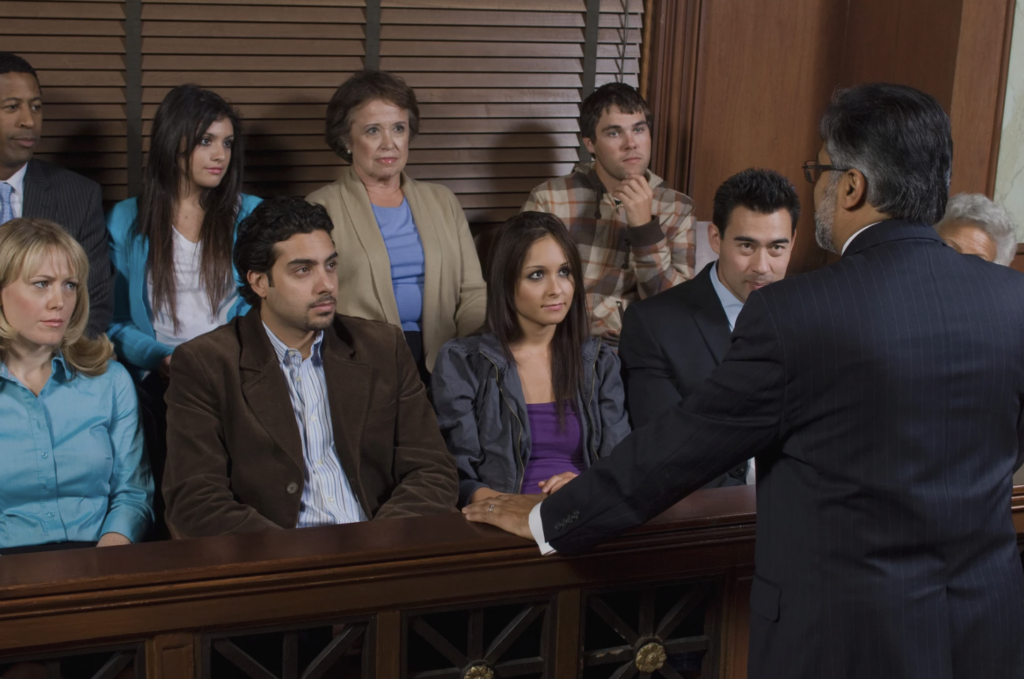
Subject to admissibility and your case strategy, day-in-the-life videos can be incredibly powerful in front of a jury. Because jurors want to understand, and this helps them do exactly that. We also provide edits that are Trial Proof.
Isn’t This Just For Catastrophic Cases?
Nope.
We get this question constantly. And yes, these videos are incredible for catastrophic injury cases like paralysis, traumatic brain injury, loss of limb, etc.
But they’re also powerful for:
- Chronic pain that limits daily function
- “Moderate” injuries that permanently alter lifestyle
- Soft tissue injuries that sound minor but aren’t
- Orthopedic injuries that affect mobility and independence
- Any case where the gap between “injury description” and “actual impact” is significant
If your client’s quality of life took a measurable hit and it’s hard to convey the full picture through records alone, video is worth considering.
Why Does The Videographer Actually Matter?
Here’s where a lot of firms go wrong: They hire “a videographer” without thinking about what kind of videographer.
Wedding videographers? Event shooters? Corporate promo producers? They’re all skilled at what they do. But documentary storytelling is different.
Gallo’s day-in-the-life videos are shot by an award-winning documentary filmmaker. That matters because:
- Documentary work is about observation, not direction
- It captures authenticity without feeling staged
- It knows when to be present and when to step back
- It understands pacing, structure, and visual restraint
- It’s designed to withstand scrutiny in legal settings
You’re not getting a promotional video. You’re getting a factual visual record that happens to be beautifully shot and expertly edited.
At the end of the day, litigation is about persuasion. And persuasion requires understanding.
You can’t persuade someone to see the full value of a case if they don’t fully understand what your client is dealing with. Medical records and testimony get you partway there. Video closes the gap.
It’s not manipulation. It’s clarity.
Some cases genuinely need this level of visual context to be properly understood and fairly valued. If yours is one of them, we’re here to make it happen.
Ready to add visual impact to your case? Let’s talk about how day-in-the-life/Settlement videos can support your strategy. Because some stories need to be seen to be believed.


